Loading
July 20, 2026
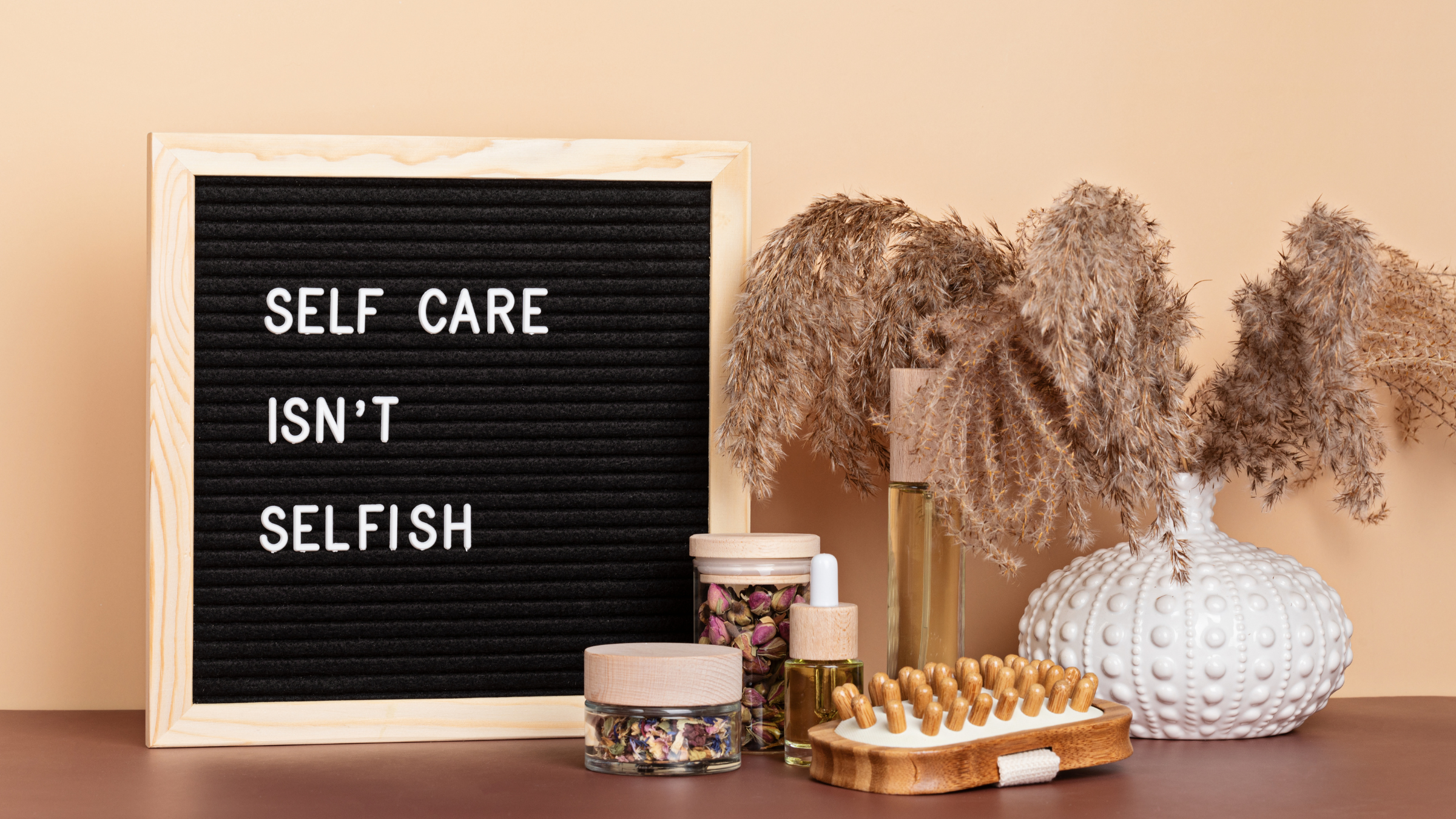
Self-Love Is Not Selfish
Real self-love makes you less convenient. When you stop abandoning yourself to keep everyone else comfortable, people won't always celebrate your boundaries but that doesn't mean you're wrong for building them.
There was a woman I once knew who was excellent at disappearing. Not physically. She was always there, at work, in group chats, at family events, replying “I’m fine” even when she wasn’t.
But emotionally? She was missing. The kind of missing people you only notice when you finally stop overextending yourself. And when she did start choosing herself, people didn’t celebrate her.
They questioned her. “You’ve changed.” “You’re becoming distant.” “Why are you suddenly like this?”
Funny thing about boundaries: people don’t clap when you build them. They only notice the fence when they used to walk in freely.
The Lie We Were All Taught
Somewhere along the line, many of us inherited a dangerous definition of love: Love means you give until there is nothing left.
So we learned to:
Answer every call, even when drained
Say yes when our bodies were screaming no
Stay available to people who were never available to us
Call it “loyalty” when it was actually self-abandonment
And then we wonder why we feel resentful. Or tired. Or quietly angry at people who didn’t even realise they were taking too much.
What Self-Love Actually Looks Like (It’s Not Pretty)
Self-love is not the soft aesthetic version we see online.
It’s not candles. It’s not spa days. It’s not affirmations whispered into mirrors when life is falling apart.
Real self-love is more disruptive.
It looks like:
Not replying immediately
Disappointing people you used to over-please
Sitting with the discomfort of being misunderstood
Choosing rest when your identity is “the reliable one”
And here’s the part nobody likes to say out loud: When you start practising self-love, you become less convenient. And some people only loved you because you were convenient.
The Guilt Phase
If you are unlearning people-pleasing, there is a phase nobody warns you about. The guilt phase. You will feel it when:
You say no
You stop overexplaining
You choose silence instead of emotional overgiving
You protect your time
And your mind will try to interpret guilt as a form of wrongdoing. But guilt is not always the truth. Sometimes guilt is just withdrawal symptoms from being overly available for too long.
At some point, something shifts.
You realise: The same people who are uncomfortable with your boundaries were never uncomfortable with your burnout. They were just benefiting from your exhaustion, and that realisation changes everything. Because you stop asking: “How do I make everyone comfortable?” And start asking: “Why was I the only one required to sacrifice comfort in the first place?”
Self-Love Is Not Selfish. It Is Structural. Self-love is not an attitude. It is a system.
It is how you decide:
What access people have to you
What energy you give away freely
What you tolerate in the name of being “nice”
What version of yourself you refuse to abandon again
And here’s the uncomfortable truth: People who call your boundaries selfish were often benefiting from your lack of them.
The Woman Who No Longer Disappears
That woman I mentioned earlier? She didn’t become colder. She became clearer. She still loves people. She still shows up. She still gives. But now, she gives from fullness, not depletion, and the people who matter adjusted. The ones who didn’t… left, and strangely, her life didn’t get smaller. It got quieter and stronger.
Hear me again: Self-love is not selfish. Self-love is what remains when you stop confusing overgiving with love. And the moment you stop abandoning yourself for the comfort of others… You finally meet the version of you that was never lost. Just buried under obligation.